
Post-Concussion Vision Therapy in Southern Utah: Restoring Balance, Tracking, and Visual Focus

Post-Concussion Vision Therapy in Southern Utah: Restoring Balance, Tracking, and Visual Focus
A concussion can affect more than memory, concentration, and physical coordination. It can also disrupt how the eyes work together, making everyday activities like reading, driving, and using digital screens more difficult. At Little Valley Eye Care in St. George, UT, we provide post-concussion vision evaluations and personalized vision therapy to help patients address visual difficulties following a head injury.
How Concussions Affect Vision and Balance
The brain plays an essential role in processing visual information and coordinating eye movements. After a concussion, disruptions in these processes can make it harder to focus, track moving objects, or maintain comfortable binocular vision.
Because vision works closely with the body's balance system, some patients also experience dizziness, motion sensitivity, or difficulty navigating busy environments.
These symptoms may persist even when a standard vision screening shows normal visual acuity. A comprehensive evaluation can help identify underlying visual dysfunction that may be contributing to ongoing discomfort.
Common Vision Problems After a Concussion
Post-concussion visual symptoms vary depending on the injury and individual recovery. Patients in Southern Utah experiencing persistent difficulties may notice:
Eye Tracking Problems: Difficulty following moving objects or smoothly moving the eyes across a page while reading.
Focusing Difficulties: Trouble shifting focus between near and distant objects or maintaining clear vision.
Double Vision: Seeing overlapping images due to problems with eye coordination.
Visual Motion Sensitivity: Feeling dizzy or overwhelmed in crowded stores, moving vehicles, or visually busy environments.
Headaches and Eye Strain: Discomfort during reading, computer work, or other visually demanding activities.
When these symptoms interfere with daily activities, a specialized binocular vision assessment may help determine whether vision rehabilitation is appropriate.
How Post-Concussion Vision Therapy Works
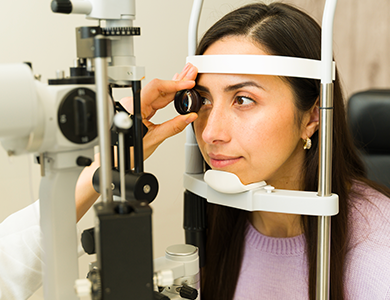
Post-concussion vision therapy focuses on improving specific visual skills affected by the injury. At Little Valley Eye Care, we evaluate how the eyes focus, move, and coordinate before developing an individualized treatment plan.
Depending on the findings, therapy may involve guided activities designed to improve eye tracking, focusing flexibility, and binocular coordination. These exercises can take place during supervised sessions and may include structured activities at home.
Our approach focuses on identifying measurable visual difficulties rather than treating every concussion symptom through vision exercises. While vision therapy may help selected patients with specific eye movement or coordination problems, outcomes vary, and evidence for some post-concussion therapy approaches remains limited.
The Connection Between Vision Therapy and Balance Rehabilitation
Visual information helps the brain understand movement, depth, and spatial orientation. Following a concussion, difficulty processing that information can contribute to disorientation or discomfort during movement.
For patients experiencing both vision and balance problems, coordinated care may be beneficial. Vision therapy can address identified visual dysfunction, while vestibular rehabilitation may help manage dizziness and balance-related symptoms.
We encourage patients to work with their medical providers to determine which treatments are appropriate for their recovery. Vision therapy complements medical concussion management rather than replacing it.
When Should You Seek a Post-Concussion Vision Evaluation?
If blurry vision, eye strain, double vision, or tracking difficulties continue after a concussion, a comprehensive visual assessment may help clarify the cause.
At Little Valley Eye Care, Dr. Steven Blake has experience evaluating binocular vision dysfunction and visual problems associated with concussions and acquired brain injuries. We work with patients in St. George and throughout Southern Utah to identify visual challenges and discuss appropriate rehabilitation options.
If you're experiencing persistent vision difficulties after a concussion, schedule a post-concussion vision evaluation with Little Valley Eye Care in St. George, UT. Call us at (435) 200-1987 to learn how our personalized vision therapy services may support your recovery.
Quick Links
Helpful Articles
article_category: restorative
article_category: vision therapy
article_category: contact lenses
article_category: health
article_category: conditions
article_category: eye surgery co-management
article_category: exotic
article_category: cosmetic
article_category: products
article_category: psychiatry
article_category: faqs
article_category: cats
article_category: general
article_category: services
article_category: technology
article_category: dogs
article_category: surgical procedures
article_category: aesthetics
article_category: preventative
article_category: ocular disease management
article_category: eyeglasses
article_category: eye health
article_category: large animal
[]
Flowbite is an open-source library of interactive components built on top of Tailwind CSS including buttons, dropdowns, modals, navbars, and more.
Check out this guide to learn how to get started and start developing websites even faster with components on top of Tailwind CSS.
All Eye Care Services
Find personalized eye care excellence with our comprehensive services. From eye exams to advanced diagnostics, trust us for all your vision needs.

Keep In Touch
For non-urgent questions or to learn more about our services, contact us today!

- 2557 S River Road, Ste B3
St. George, UT 84790 - Phone: (435) 200-1987
- Fax: (435) 200-1185
- Monday 8:00am - 5:00pm
- Tuesday 10:00am - 6:00pm
- Wednesday 9:00am - 5:00pm
- Thursday 9:00am - 5:00pm
- Friday 9:00am - 5:00pm
- Saturday Closed
- Sunday Closed
- Monday
- Tuesday
- Wednesday
- Thursday
- Friday
- Saturday
- Sunday
- Monday
- Tuesday
- Wednesday
- Thursday
- Friday
- Saturday
- Sunday
© 2026 Little Valley Eye Care. All rights Reserved - Accessibility Statement - Privacy Policy - Sitemap
Managed and Designed by 